
 Edgar
CBS Murders
Edgar Awards Winner
Book · Adult
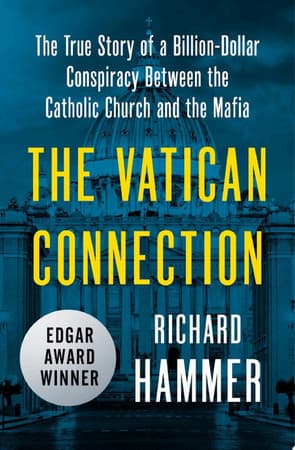
The True Story of a Billion-Dollar Conspiracy Between the Catholic Church and the Mafia
We may earn a commission when you buy through links on this page. It never affects which books we recommend. As an Amazon Associate, we earn from qualifying purchases.
Winner of the Edgar Award: The riveting account of an audacious fraud scheme that stretched from a Mafia hangout on the Lower East Side to the Vatican. With a round, open face and a penchant for tall tales, Matteo de Lorenzo resembled everyone’s kindly uncle. But Uncle Marty, as he was known throughout the Genovese crime family, was one of the New York mob’s top earners throughout the 1960s and ’70s, the mastermind of a billion-dollar trade in stolen and counterfeit securities. In the spring of 1972, de Lorenzo and his shrewd and ruthless business partner, Vincent Rizzo, traveled to Europe to discuss a plan to launder millions of dollars worth of phony securities. Shockingly, the plot involved Archbishop Paul Marcinkus, the scandal-plagued president of the Vatican Bank. Unbeknownst to de Lorenzo and Rizzo, however, the NYPD was already on the case—thanks to the crusading work of Det. Joseph Coffey. Coffey, the legendary New York policeman who investigated the Lufthansa heist and took the Son of Sam’s confession, first learned of the scheme in a wiretap related to the attempted mob takeover of the Playboy Club in Manhattan. From those unlikely beginnings, Detective Coffey worked tirelessly to trace the fraudulent stocks and bonds around the world and deep into the corridors of power in Washington, DC, and Rome. Meticulously researched and relentlessly gripping, The Vatican Connection is a true story of corruption and deceit, packed with “all the ingredients of a thriller” ( San Francisco Chronicle ).
No age or grade range recorded.
EdgarEdgar Awards Winner