The Top Book List

Book versus film

Shakespeare's Hamlet Adapted to The Lion King

While Shakespeare's Hamlet is a nihilistic tragedy of existential paralysis and familial decay, Disney's The Lion King reframes the dynastic crisis into an archetypal, redemptive coming-of-age journey.

2 Academy Awards

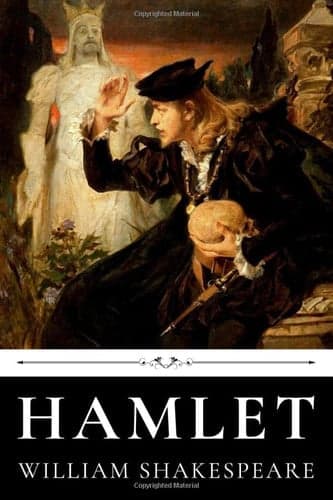
Cover of Hamlet by William Shakespeare
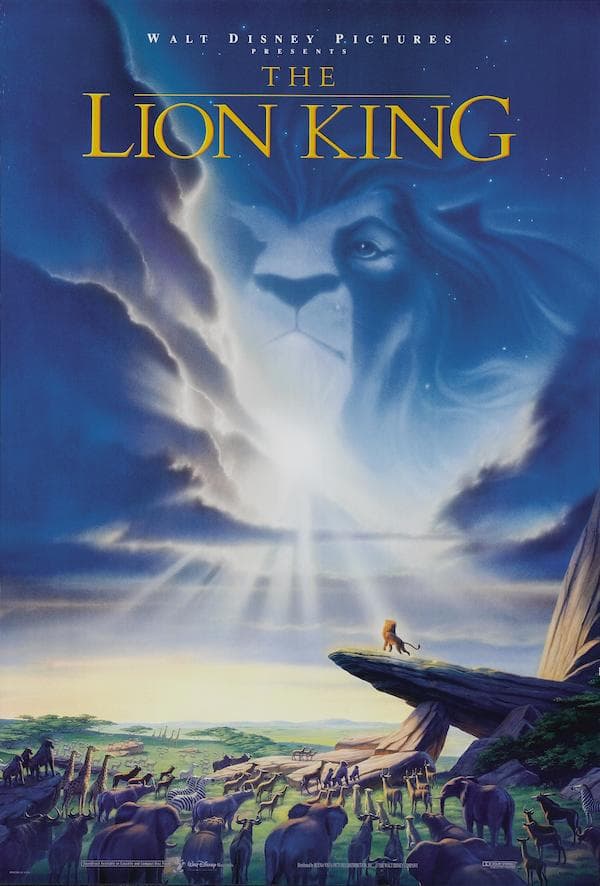
Poster for the film The Lion King
Poster: Walt Disney Pictures

Two ways into the story

How the telling changes

On the page

The book’s approach

Shakespeare approaches Hamlet through psychological realism, revenge-tragedy conventions, and existential dread. The play interrogates moral corruption, incestuous betrayal, madness, and the agonizing weight of mortality. Hamlet is paralyzed by overthinking, questioning whether vengeance can ever be righteous or if the ghost demanding murder is an agent of salvation or damnation. The tone is brooding and claustrophobic, reflecting late-Elizabethan anxieties over royal succession and political fragility.

About the book: Hamlet by William Shakespeare

On the screen

The film’s approach

Directors Roger Allers and Rob Minkoff approach the story as a mythic hero's journey grounded in family-friendly animation and the ecological philosophy of the "Circle of Life." Intended for a broad multi-generational audience, the narrative balances dark betrayal with vibrant musical numbers, slapstick humor, and themes of self-forgiveness. Rather than dissecting existential meaninglessness, the film emphasizes accepting adult responsibility and claiming one’s rightful place within the larger social and ecological order.

The adaptation

Four key differences

  1. The Book: Hamlet remains in Elsinore for the vast majority of the play, feigning madness, berating himself, and staging elaborate tests (such as the mousetrap play) because he cannot bring himself to strike down Claudius.
  2. The Movie: Simba flees the Pride Lands as a cub, tricked by Scar into believing he directly caused Mufasa's death. His delay is rooted in trauma-induced escapism ("Hakuna Matata") rather than philosophical hesitation.
  3. The Book: The tragedy ends in a mutual bloodbath: Gertrude drinks poison, Laertes and Hamlet wound each other with a poisoned blade, Hamlet murders Claudius, and nearly the entire royal house dies, leaving Denmark to a foreign invader (Fortinbras).
  4. The Movie: Simba defeats Scar in physical combat, Scar is devoured by his treacherous hyena allies, and Simba ascends Pride Rock. The film concludes with the birth of Simba and Nala’s cub, symbolizing renewal, peace, and dynastic survival.

The essential thread

What remains

The Fratricidal Usurpation: A charismatic, treacherous royal brother (Claudius / Scar) murders the rightful monarch (King Hamlet / Mufasa) to seize the throne and rule through tyranny.

The Apparition in the Clouds: The slain king’s spirit appears to his exiled, disillusioned son, commanding him to remember who he is and reclaim his birthright.

The Usurper's Puppet Forces: Scar’s dependence on the hyenas to enforce his rule mirrors Claudius’s reliance on Swiss mercenaries and shadowy court manipulation to maintain his illegitimate grasp on power.

Character comparison

Each character’s name in the book and in the film
The bookThe film
HamletSimba
King HamletMufasa
ClaudiusScar
PoloniusZazu
OphiliaNala
Rosencrantz and GuildensternTimon and Pumbaa

Continue exploring

More stories from page to screen

View all adaptations